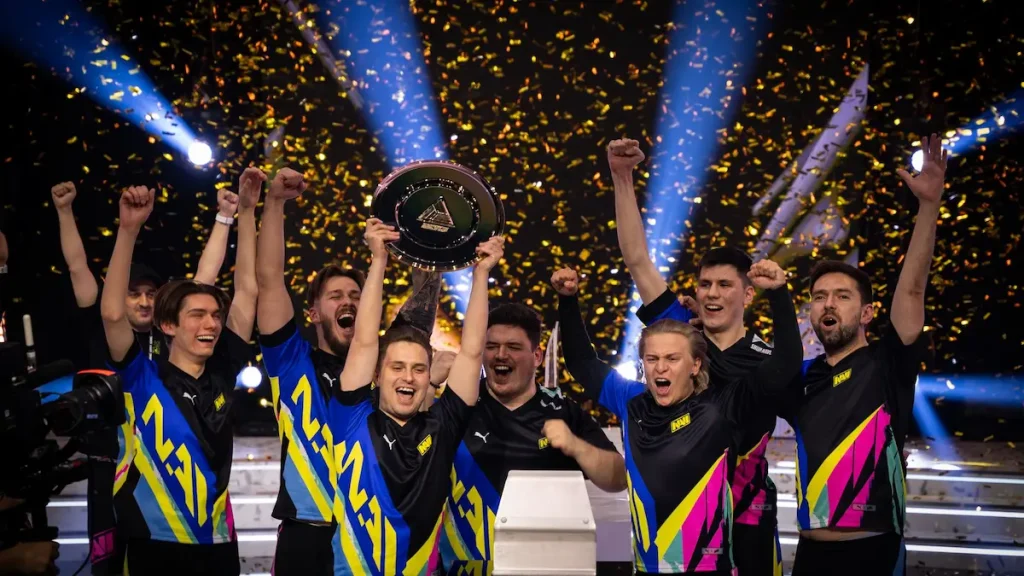
As a gigantic step towards CS2 esports, Valve officially canceled the existing Regional Major Ranking system earlier this year and replaced it with a new qualification method involving Valve Regional Standings. This general update aligns with CS2’s competitive goals and is complemented by an increase in Major Championship slots, from 24 to 32 teams. The first Major to use this new format was the BLAST.tv Austin Major 2025, held in June.
CS2 Majors Now Rely on Valve Regional Standings (VRS)
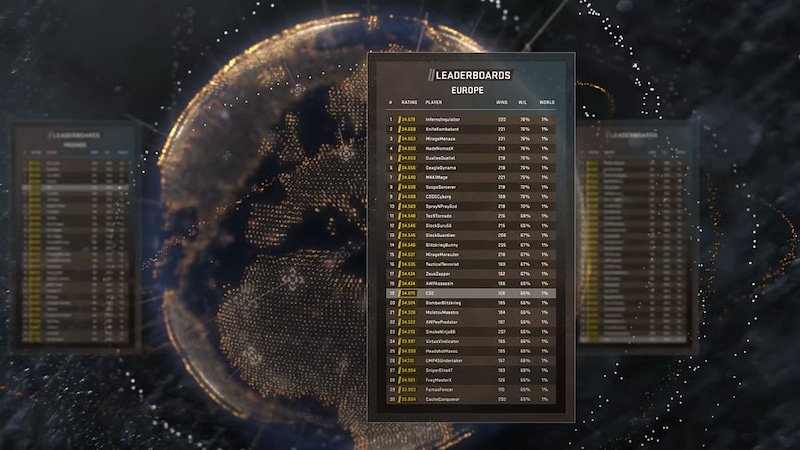
With the transition into CS2, Valve updated the qualification process to reward consistent, high-level play instead of relying on franchised circuits or closed qualifiers. Valve Regional Standings now serve as a leaderboard per region Europe, Americas, and Asia, ranked on:
- Win-loss record and match result
- Strength of opposition
- Tournament prize pool and tier
- Recency and weight of event
32-Tournament CS2 Majors Begin in 2025
To allow for more representation and competitive diversity, CS2 Majors now feature 32 teams, up from the previous 24. To accommodate this, the Major format was updated to include three distinct Swiss stages:
Here are the steps to accomplish that:
- Stage 1: 16 teams qualify via new Major Regional Qualifiers (MRQs)
- Stage 2: 10 teams qualify via VRS
- Stage 3: 6 top-ranked teams qualify via direct invites to the main event
Replacing RMRs: The Introduction of MRQs
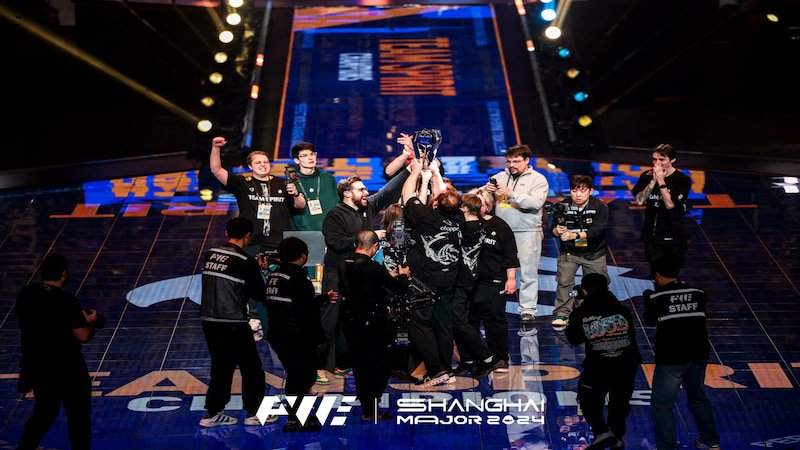
The old RMR system is now obsolete. In its place are Major Regional Qualifiers (MRQs), regional events that allow teams to qualify for Stage 1 of the Major. MRQs follow VRS rankings for participation, rather than open qualifiers or direct invites.
- Europe & Americas: 16-team MRQs
- Asia: 8-team MRQ
Out of these:
- Europe and Americas advance 6 teams each
- Asia advances 4 teams
How VRS Determines CS2 Major Invites
Valve Regional Standings now directly influence which teams receive invites to later Major stages. For example, in the Austin Major 2025:
VRS Ranks 1–6: Direct invite to Stage 3
VRS Ranks 7–10: Invite to Stage 2
VRS Ranks 11–26: Must go through MRQs
The exact number of invites per region can vary, based on past Major performance, to ensure fair regional representation.
Anti-Exploit Measures: DRILLAS Loophole Closed
Valve also addressed a long-standing exploit involving manipulation of team regional identity. Under the updated CS2 ruleset, the following changes are now in place:
- Teams can only add a coach or substitute without changing the team’s region.
- Players can no longer switch regions freely.
- Each team is now locked to one region only.
The Future of CS2 Esports
Valve made these changes to bring more clarity and transparency to the CS2 esports ecosystem. The uncertainty of closed qualifiers is now in the past, today’s structure revolves around performance and rankings. While critics argue that this system may reduce open access and limit underdog opportunities, others believe it will ultimately help CS2 esports mature. Either way, Valve has firmly set the direction, and it’s built for long-term growth.